


Safety Awareness
Help children notice, pause, and make safer everyday choices.
Safety learning becomes easier to understand when children can see a sign, talk through a situation, practice a simple response, and repeat it in a calm setting. Lumibud supports family-guided safety awareness with educational cards, road-sign learning, conversation prompts, role-play activities, and other screen-free learning tools.
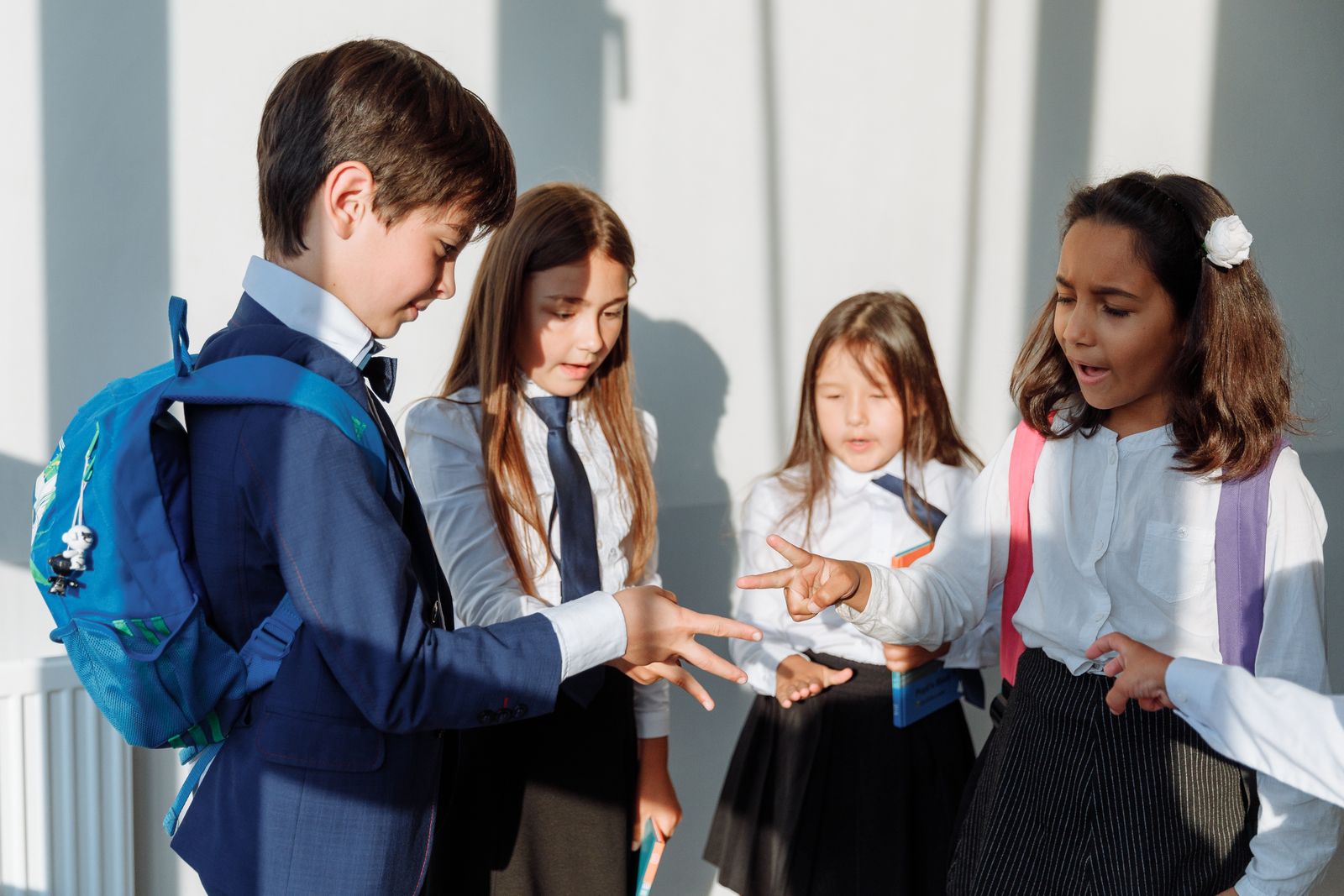
Practice clear safety ideas children can recognize and discuss.
Keep the examples concrete and age-appropriate. A familiar sign, routine, or family rule can be easier to remember than a long explanation.
Road & Sign Awareness
Use road-sign flash cards and simple visual prompts to practice noticing signs, crossings, and common traffic cues.
Notice • Pause • CheckHome Safety Habits
Talk through familiar routines such as asking before using an item, keeping walkways clear, and putting materials away.
Ask • Remember • RepeatSituation Awareness
Use cards and role-play prompts to ask what a child notices first and what safe next step could follow.
Look • Think • RespondFamily Communication
Practice clear phrases for asking an adult, explaining what happened, and speaking up when something feels uncertain.
Tell • Ask • Stay Connected
Turn signs and safety cards into simple recognition practice.
Visual safety tools can help children connect a symbol with a practical action. Start with a small set, keep the language consistent, and let the child explain what the sign or card means in their own words.
- 01 Show one cue at a time. Use a single sign, picture, or prompt so the child can focus on the meaning before adding another.
- 02 Connect the cue to an action. Ask what a person should notice, where they should pause, or which adult they should check with.
- 03 Repeat in a new example. Change the picture or situation while keeping the same core safety idea to support recognition.
Three calm ways to build awareness through conversation.
These activities work well with safety cards, road-sign cards, role-play materials, family discussion prompts, and other screen-free learning tools.
Spot the Safety Cue
Choose a picture or card and ask the child what they notice first, what the cue means, and what action might follow.
Keep the scenario simple and familiar.What Would You Do?
Read a short family-friendly scenario and ask the child to choose a next step, then talk through the reason.
Focus on thinking, not memorizing a script.Ask an Adult
Practice phrases a child can use when unsure, such as asking for help, checking a rule, or explaining what they saw.
Make communication part of the safety routine.Teach awareness without making the conversation frightening.
Safety learning can stay practical and reassuring. Use clear examples, focus on what the child can do next, and keep the discussion connected to trusted adults and familiar family routines.
Use calm, direct language. Short phrases are easier to remember than dramatic warnings or long explanations.
Practice one idea at a time. Separate road signs, home routines, and communication skills into manageable activities.
Keep trusted adults visible. Reinforce that asking a caregiver, teacher, or another trusted adult is an important next step when unsure.
Revisit the same cue. Repetition with slightly different examples can help children recognize the idea in more than one setting.

Notice, pause, think, and connect.
This simple four-step rhythm can be reused with safety cards, role-play prompts, road-sign learning, and everyday family discussions.
Notice
Look for the sign, rule, change, or situation before deciding what to do next.
See the cuePause
Take a moment before acting when something feels unfamiliar, confusing, or different from the usual routine.
Create thinking timeThink
Ask what the cue means and which familiar family rule, safe option, or next step applies.
Choose carefullyConnect
Check with a trusted adult, explain what happened, or ask for help when the situation is uncertain.
Stay connectedUse familiar places and real routines to make safety ideas easier to remember.
Safety awareness can feel more practical when children connect learning cards and conversation prompts to places and routines they already know.

Choose one sign for the week.
Place the matching learning card somewhere visible and revisit its meaning during a calm family moment.
Ask, “What would you notice first?”
Help children identify the cue before discussing the safest next action or which trusted adult to ask.
Need help choosing a safety-learning product?
Tell us whether you are looking for road-sign flash cards, family safety prompts, role-play learning tools, conversation cards, or another screen-free safety-awareness product. We can help you explore Lumibud options by learning goal and activity type.