


Communication Skills
Help children find the words, space, and confidence to connect.
Communication grows through everyday moments: asking a question, naming a feeling, listening to someone else, taking turns, telling a story, or explaining an idea. Lumibud supports these moments with conversation cards, educational games, family prompts, flash cards, and other screen-free tools designed for meaningful interaction.
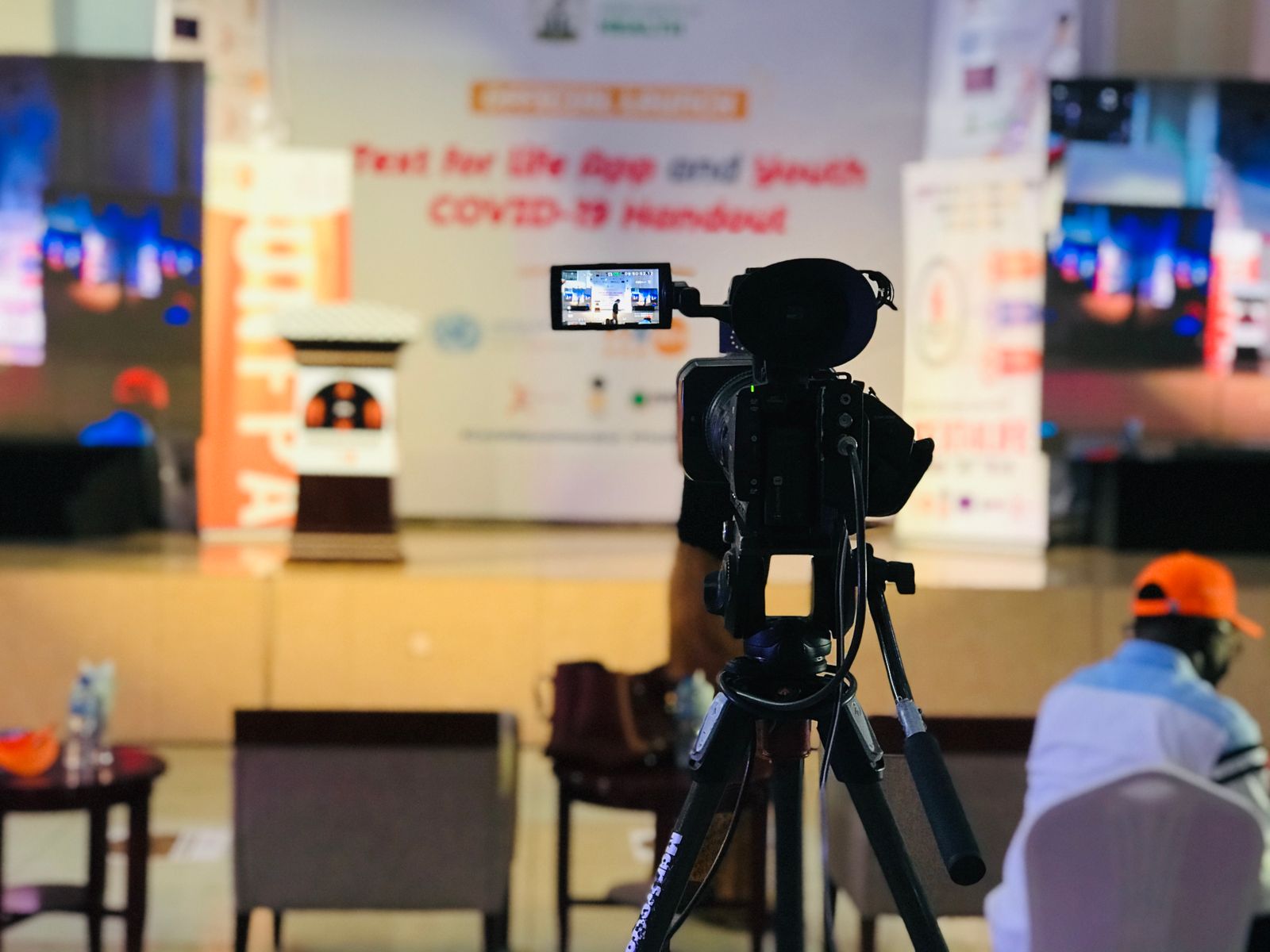
Practice expression, listening, and connection together.
Strong communication is not only about speaking more. It also includes noticing, waiting, listening, asking, and responding with care.
Express an Idea
Use picture prompts, question cards, and familiar situations to help children describe what they notice, think, or want to share.
Name • Explain • ShareListen & Respond
Practice waiting for another person to finish, noticing key details, and responding to what was actually said.
Pause • Listen • AnswerTake Turns Together
Use games and family prompts to create a natural rhythm of speaking, listening, asking, and building on someone else's idea.
Ask • Wait • Connect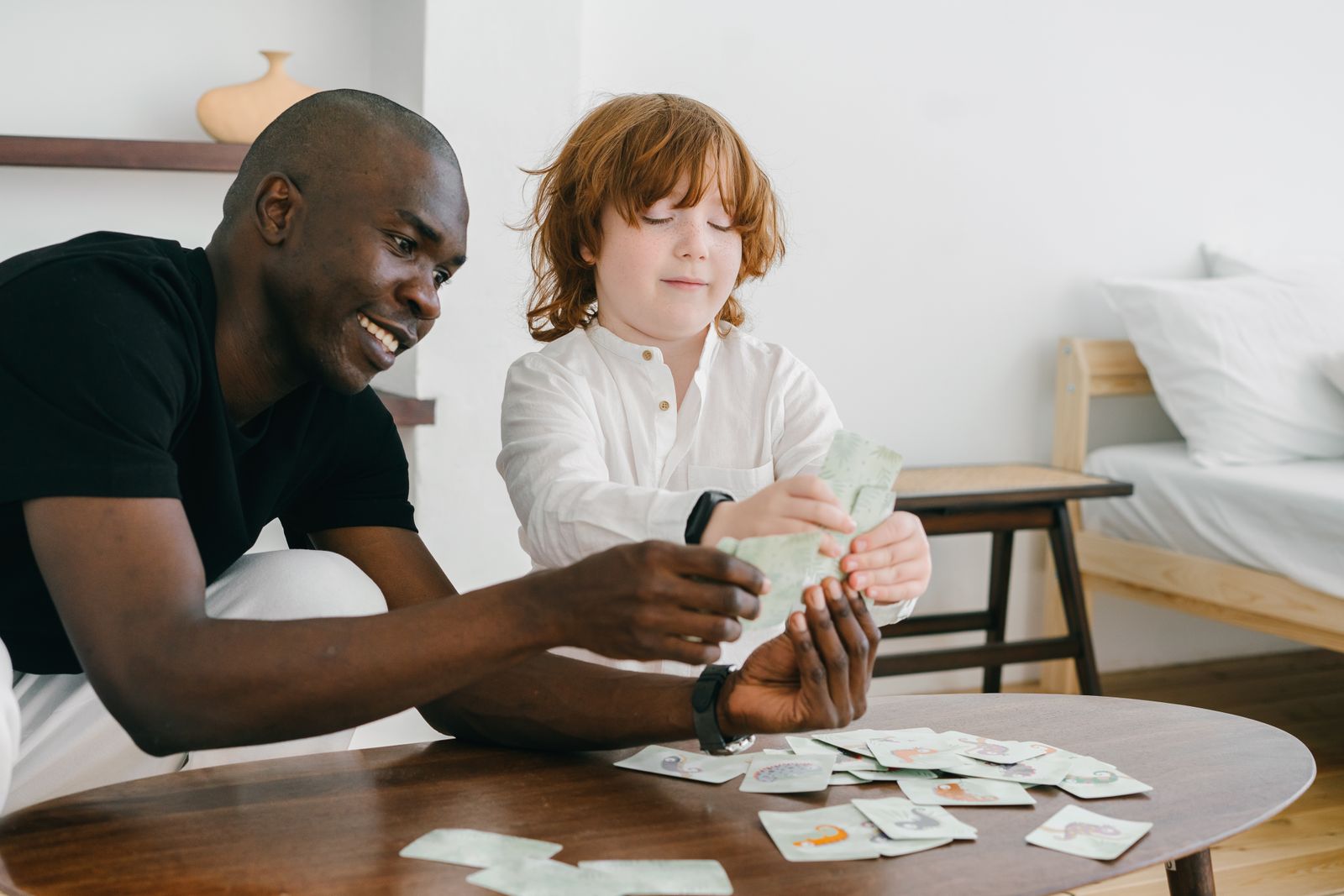
Use prompts that make room for more than one kind of answer.
Good conversation prompts can help children organize a thought, explain a choice, and hear how someone else sees the same situation. Keep the pace calm and give each answer enough room.
Three easy ways to practice speaking and listening at home.
These ideas work well with conversation cards, question games, flash cards, family prompts, and other screen-free learning materials.
One Question, Three Answers
Choose one prompt and let each family member answer in a different way before anyone comments on the answers.
Practice listening without interrupting.Tell It Back
After someone shares a short story or idea, ask another person to repeat the main point in their own words.
Focus on understanding, not exact repetition.Build the Story
Take turns adding one sentence, detail, or idea to a shared story while listening for what came before.
Use turn-taking to keep the story connected.Different tools can support different kinds of conversation.
Picture cards can support naming and description, while open-ended question games can create longer family conversations.
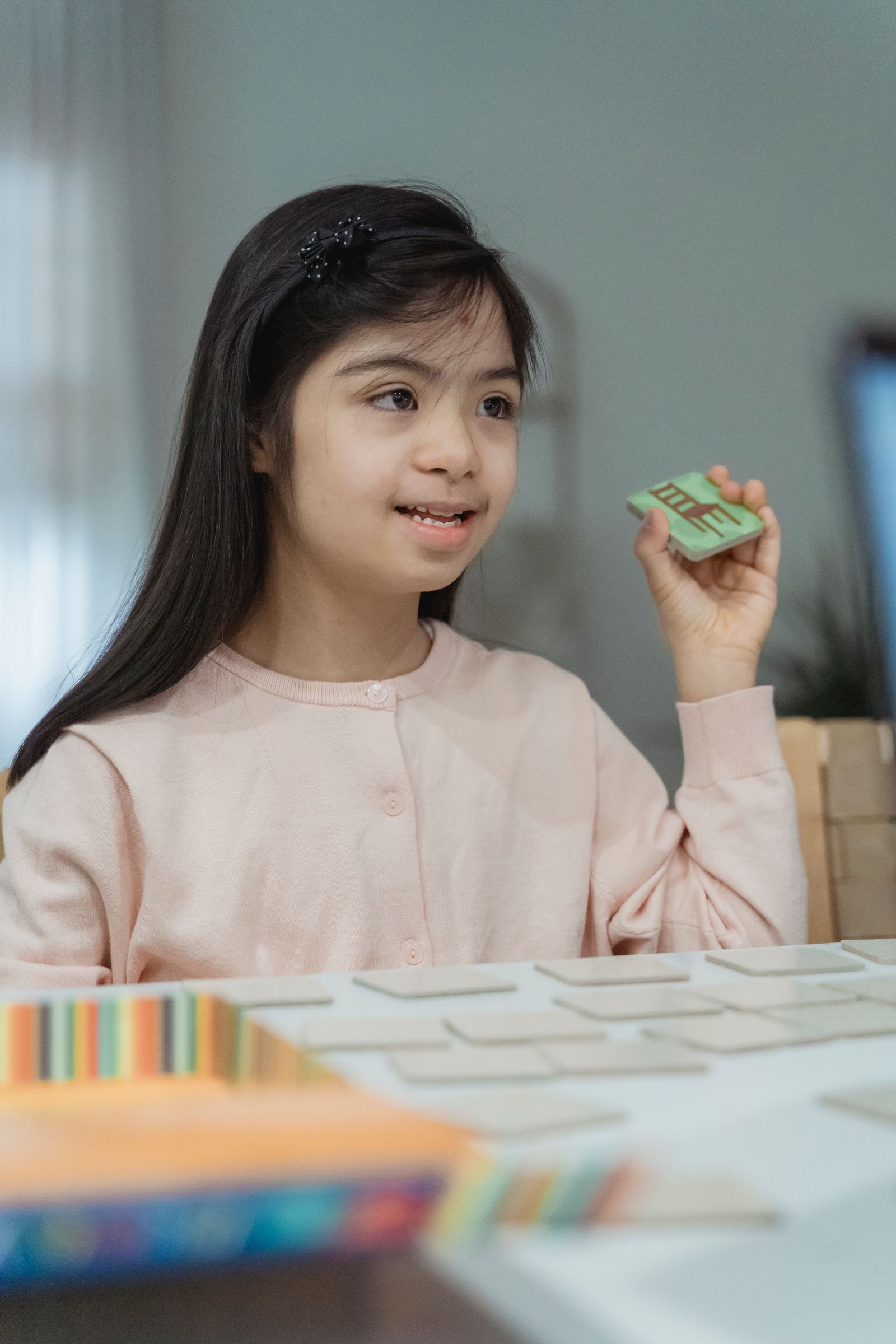
Use visible details to make language easier to start.
Ask what is happening, what looks different, what the child remembers, or what might happen next.
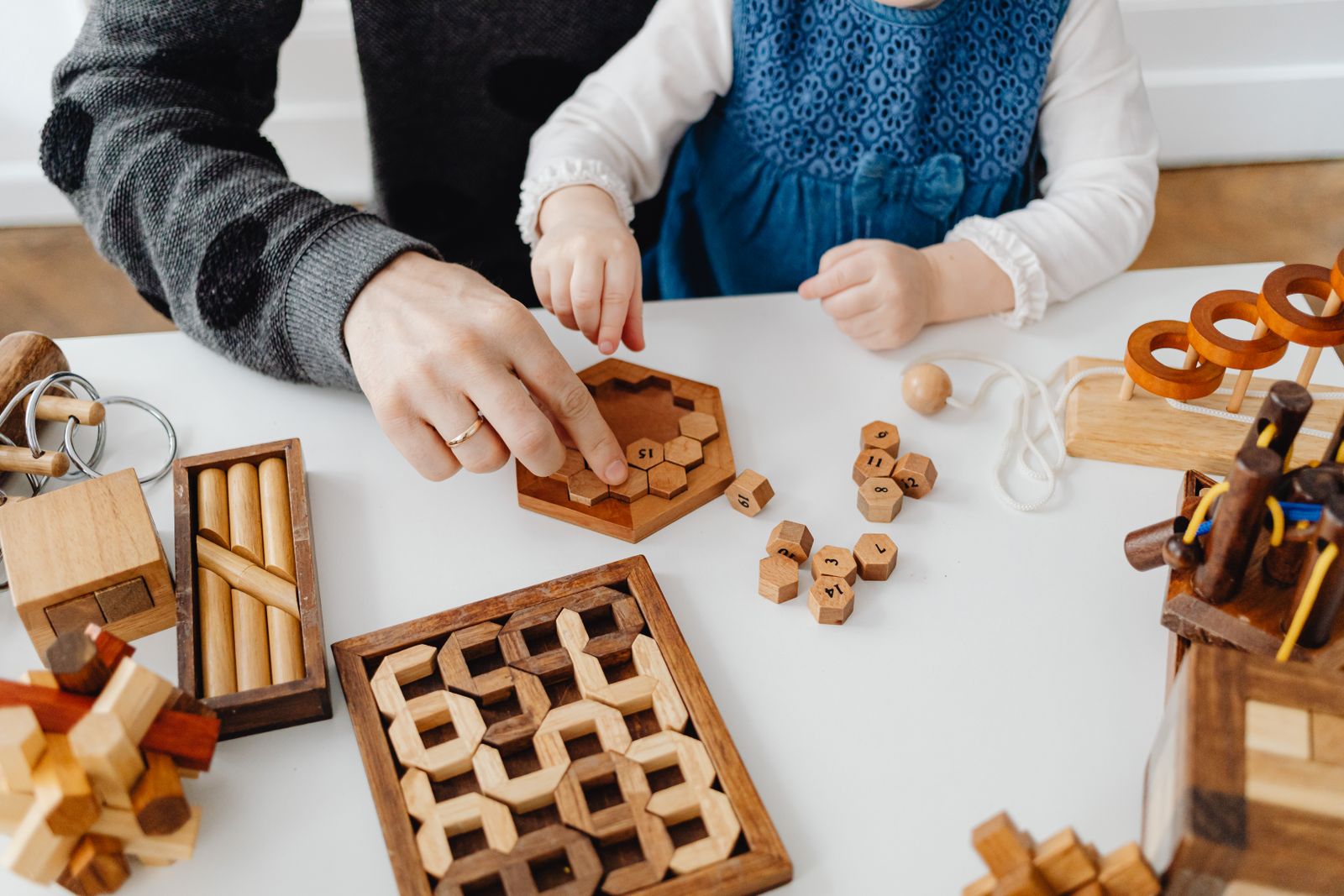
Talk through choices while both people stay involved.
Use a hands-on activity to practice asking for help, explaining a choice, and responding to another person's idea.
Make space for the child to finish the thought.
Communication practice can stay simple. A patient pause and one thoughtful follow-up question often create more room than a rapid series of prompts.
Give the child a moment to find the word, gesture, or explanation before filling the silence.
Let the conversation grow from the answer instead of moving through a checklist of questions.
Repeat the main idea in simple words so the child can confirm, add, or correct something.
Show that listening, waiting, and responding are all parts of a conversation, not just speaking.
Need help choosing a communication-learning product?
Tell us whether you are looking for conversation cards, question games, flash cards, family activity prompts, or another screen-free communication tool. We can help you explore Lumibud options by learning goal and activity type.