


Money Skills
Make money learning feel practical, calm, and age-appropriate.
Saving a coin, sorting pretend money, making a simple choice, or talking about what to wait for can introduce useful money ideas in a way children can see and practice. Lumibud supports hands-on, family-guided learning with savings tools, money-learning toys, activity prompts, and screen-free practice.
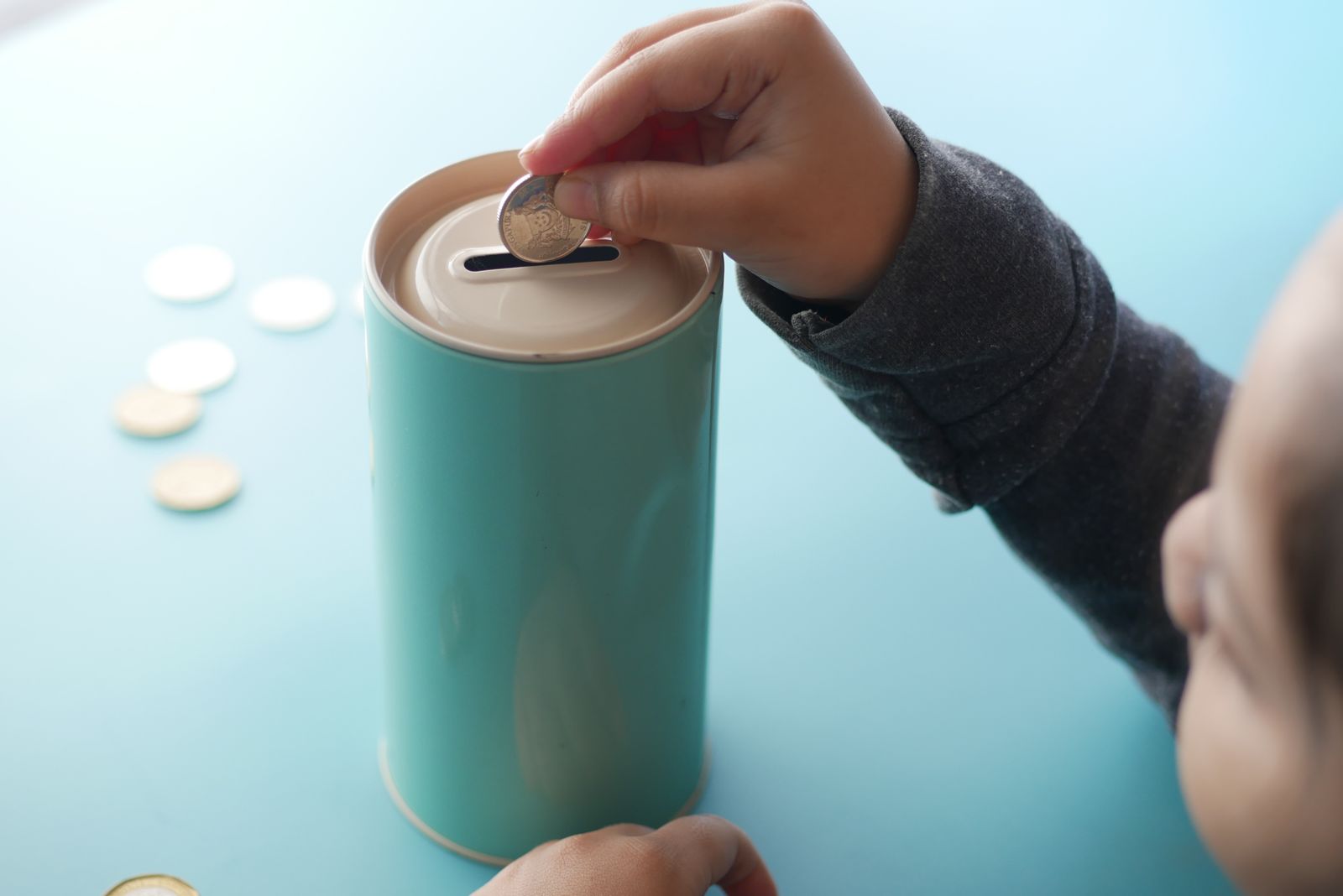
Four ideas children can begin to practice through real routines.
Money learning works best when the ideas stay concrete. Start with familiar choices and repeat them in simple, visible ways.
Recognize Value
Explore coins, pretend money, prices, and simple comparisons so children can begin noticing that amounts are different.
Notice • Compare • CountPractice Saving
Use a piggy bank, savings jar, or ATM-style learning toy to make putting money aside visible and repeatable.
Save • Wait • RevisitMake Choices
Talk through small decisions such as choosing one item now, waiting, or keeping money for a later goal.
Choose • Explain • ReflectBuild Routines
Create a simple family rhythm for saving, sorting, counting, or talking about money without making it feel like a test.
Repeat • Organize • Learn
Turn saving into something children can see.
A visible savings routine can make an abstract idea easier to understand. Keep the steps simple and connect the money to a small, realistic goal the child can revisit over time.
- 01 Choose a clear place to save. Use a savings bank, money box, or simple container that makes the routine easy to recognize.
- 02 Name a small goal. Keep the goal understandable and avoid making the activity feel pressured or overly complicated.
- 03 Check progress together. Count, sort, or talk about the saved amount and let the child notice how repeated choices add up.
Use small everyday moments as learning opportunities.
These screen-free activities work with coins, learning money, savings banks, pretend shops, flash cards, and other child-friendly money-learning tools.
Sort & Compare
Group coins or pretend money by size, value, color, or type, then compare what looks similar and what is different.
Keep the amount small and manageable.Save, Spend, or Wait?
Offer a simple pretend choice and ask what the child would do, then talk through the reason behind the choice.
There does not need to be one perfect answer.Family Mini Shop
Use role-play products and simple price tags to practice choosing, counting, paying, and taking turns.
Connect numbers with a familiar pretend routine.Keep money conversations simple and neutral.
Children can learn useful money habits without turning every activity into a lesson. The goal is to make everyday ideas visible, understandable, and easy to practice together.
Use clear language. Words like save, spend, choose, wait, price, and change are easier to connect to real actions.
Keep examples familiar. Pretend shops, small savings goals, and sorting activities make abstract ideas more concrete.
Avoid pressure. Focus on understanding choices and routines rather than making children responsible for adult financial concerns.
Repeat the routine. A short weekly check-in can be more useful than one long explanation.

Practice four habits children can return to over time.
The same simple sequence can be reused with savings banks, pretend money, counting activities, and family role play.
Notice
Look at the amount, price, coins, or choices before deciding what comes next.
See the informationChoose
Pick between a few clear options such as saving, spending, waiting, or combining money toward a goal.
Make a decisionPractice
Use the bank, cards, pretend shop, or role-play activity to make the choice visible and hands-on.
Turn ideas into actionReflect
Talk about what happened, what changed, and whether the child would make the same choice again.
Learn from the choiceKeep the learning visible, playful, and connected to real life.
Savings tools and family activities can help children connect counting and choices with routines they can understand.
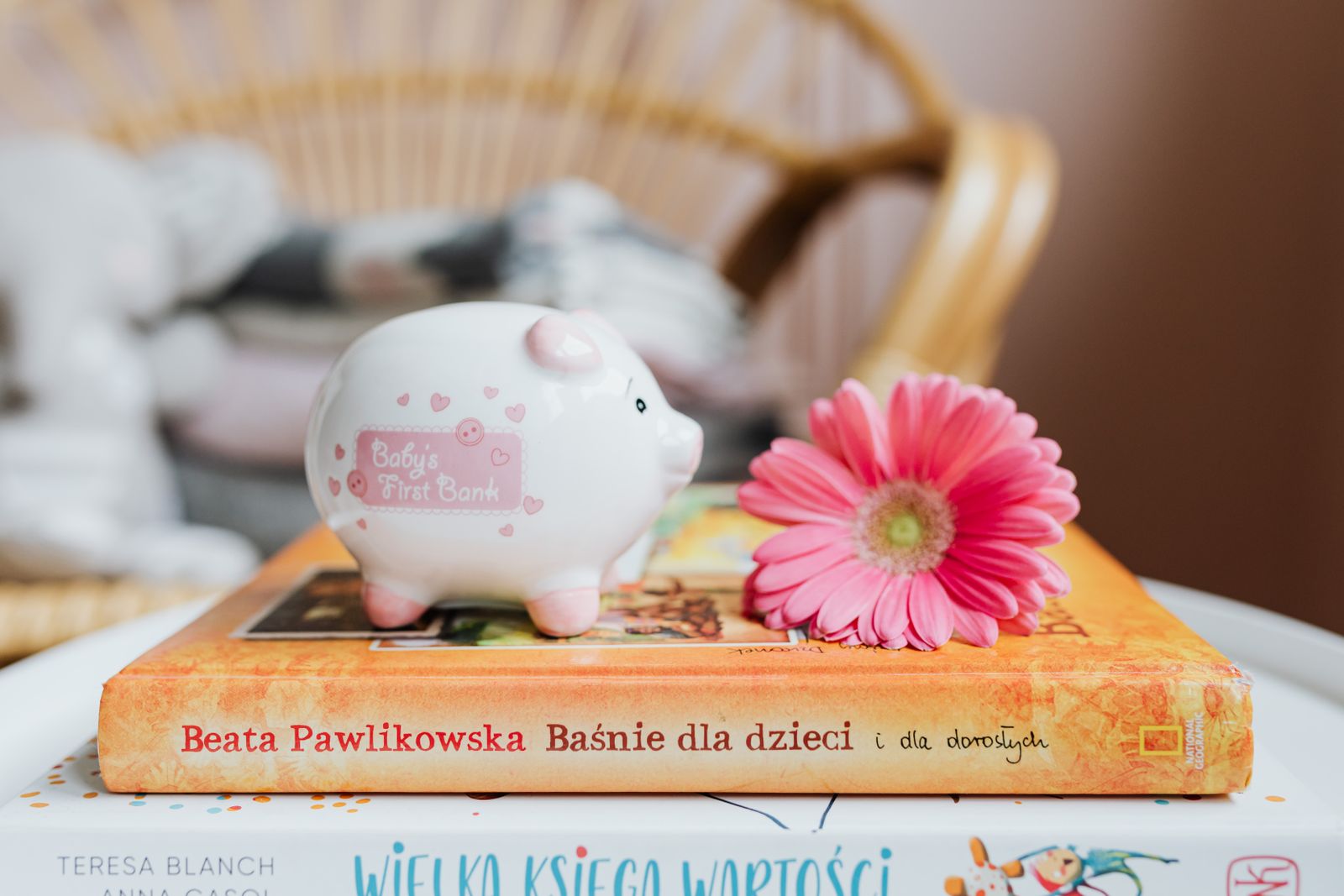
Set one small family savings goal.
Choose something concrete and easy to understand, then use the same savings tool to check progress at a calm, regular time.
Ask, “What would you do next?”
Let children explain whether they would save, spend, or wait. The conversation can matter more than finding one expected answer.
Need help finding a money-learning tool?
Tell us whether you are looking for a savings bank, money-learning toy, pretend-play activity, counting tool, or another hands-on family learning product. We can help you explore Lumibud options by learning goal and activity type.