


Life Skills
Small routines can grow into everyday confidence.
Putting toys away, helping with a simple cleaning task, organizing personal items, and practicing family routines can give children meaningful ways to participate. Lumibud supports hands-on life-skill learning with role-play tools, pretend cleaning sets, routine activities, and screen-free products designed for practical family learning.
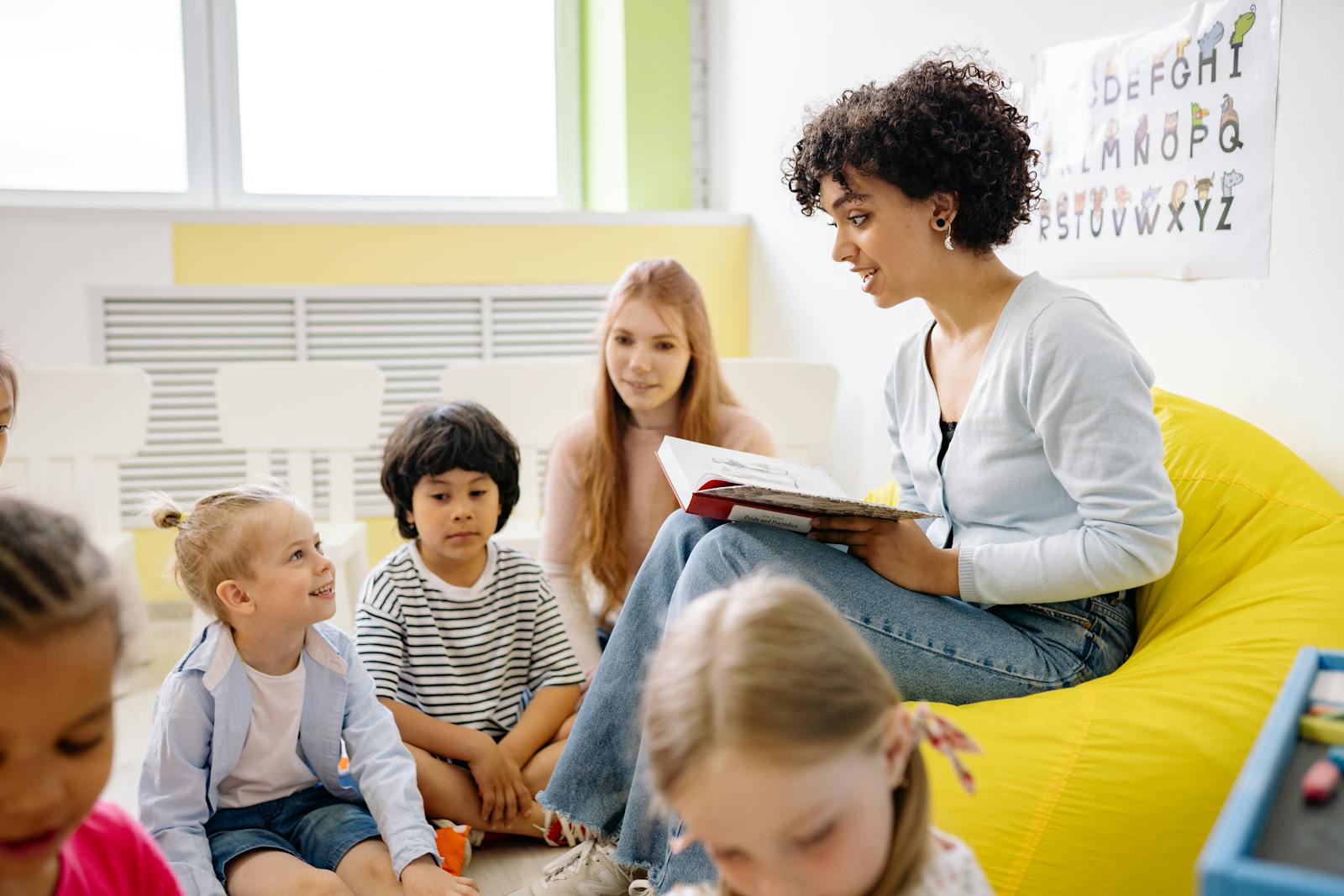
Practice the skills children use in everyday family life.
Life skills become easier to understand when children can see the task, try a small part, and repeat the routine with support.
Clean & Care
Use pretend cleaning sets, toy brooms, mops, and vacuums to practice the idea of caring for shared spaces.
Help • Practice • RepeatSort & Organize
Turn tidying into a simple learning activity by grouping toys, cards, supplies, and personal items by place or type.
Sort • Place • RememberFollow a Routine
Use visual prompts and family habits to practice simple sequences such as prepare, do, check, and put away.
Start • Follow • FinishTake Part
Give children small, clear roles in family routines so participation feels practical, visible, and manageable.
Join • Help • Grow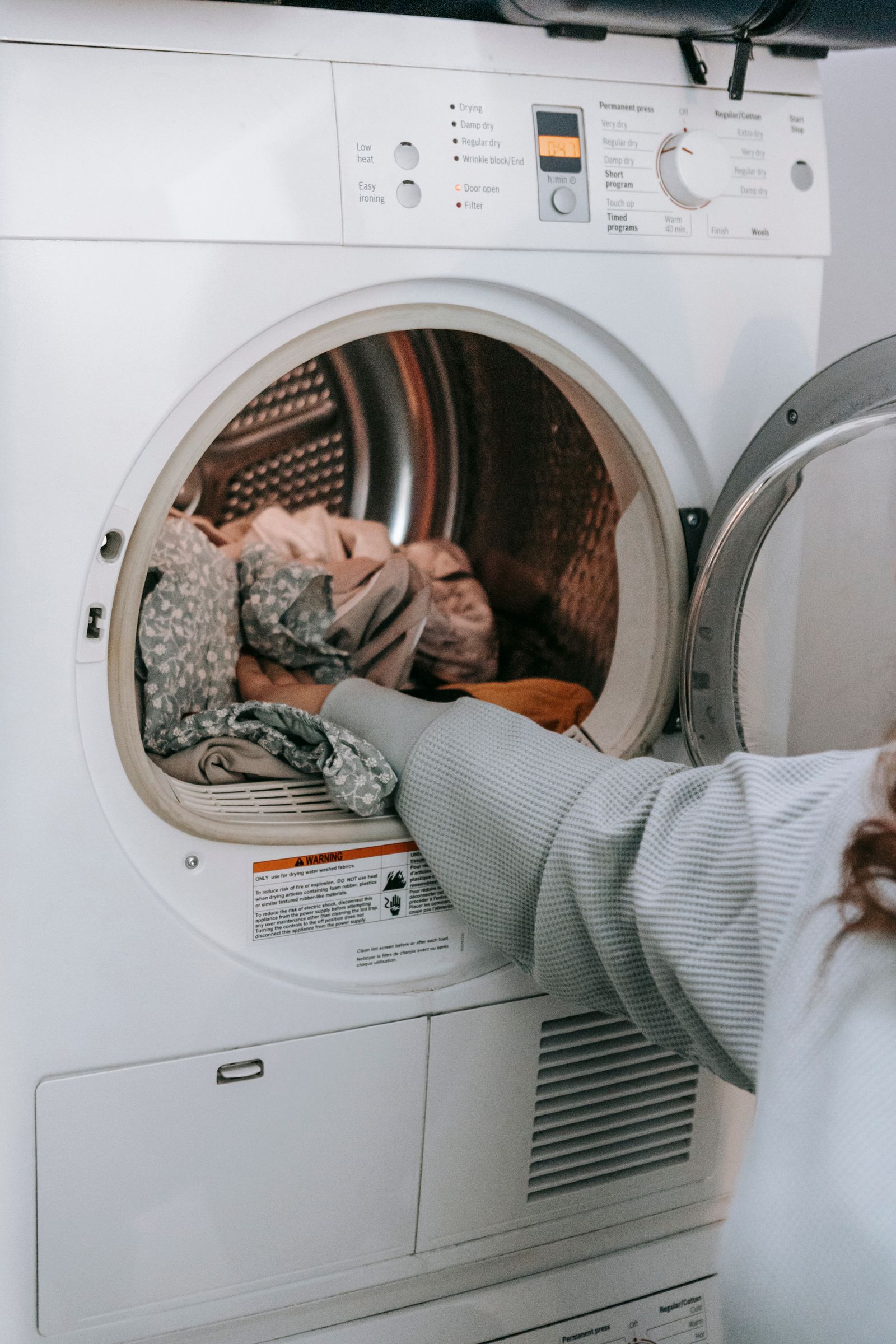
Turn familiar household actions into hands-on practice.
Pretend cleaning tools can help children understand the sequence and purpose of simple tasks without making the activity feel like a lecture. Keep the steps short, visible, and easy to repeat.
- 01 Choose one small area. Practice with one shelf, one play space, or one simple pretend-cleaning task instead of the whole room.
- 02 Model the sequence. Show the order first, then let the child repeat the steps using the learning or role-play tools.
- 03 Finish by putting tools away. Ending the activity with a clear reset helps connect use, care, and organization in one routine.
Three routines that make life-skill learning feel natural.
These activities work well with pretend cleaning sets, organizing tools, visual prompts, role-play products, and other hands-on family learning materials.
Reset the Play Space
Choose a few categories for toys or learning materials, then return each group to its place together.
Keep the categories simple and visible.Practice a Cleaning Sequence
Use toy cleaning tools to follow a short order such as collect, wipe, sweep, check, and put away.
Repeat the same sequence until it feels familiar.Prepare for Tomorrow
Practice choosing and organizing a few items needed for the next day, then check them together.
Focus on participation, not perfection.Give children a real role without making the task too big.
Children often learn practical routines more comfortably when they can take part in one clear piece of the activity. A small role, repeated over time, can be easier to understand than a long list of instructions.
Break tasks into visible steps. One short sequence is easier to practice than a broad instruction such as “clean everything.”
Use child-sized tools when appropriate. Role-play versions can make the motions easier to practice safely in a supervised setting.
Repeat the same language. Familiar words like sort, place, check, wipe, sweep, and put away help reinforce the sequence.
Notice participation. Focus on taking part, remembering a step, and trying again rather than expecting adult-level results.
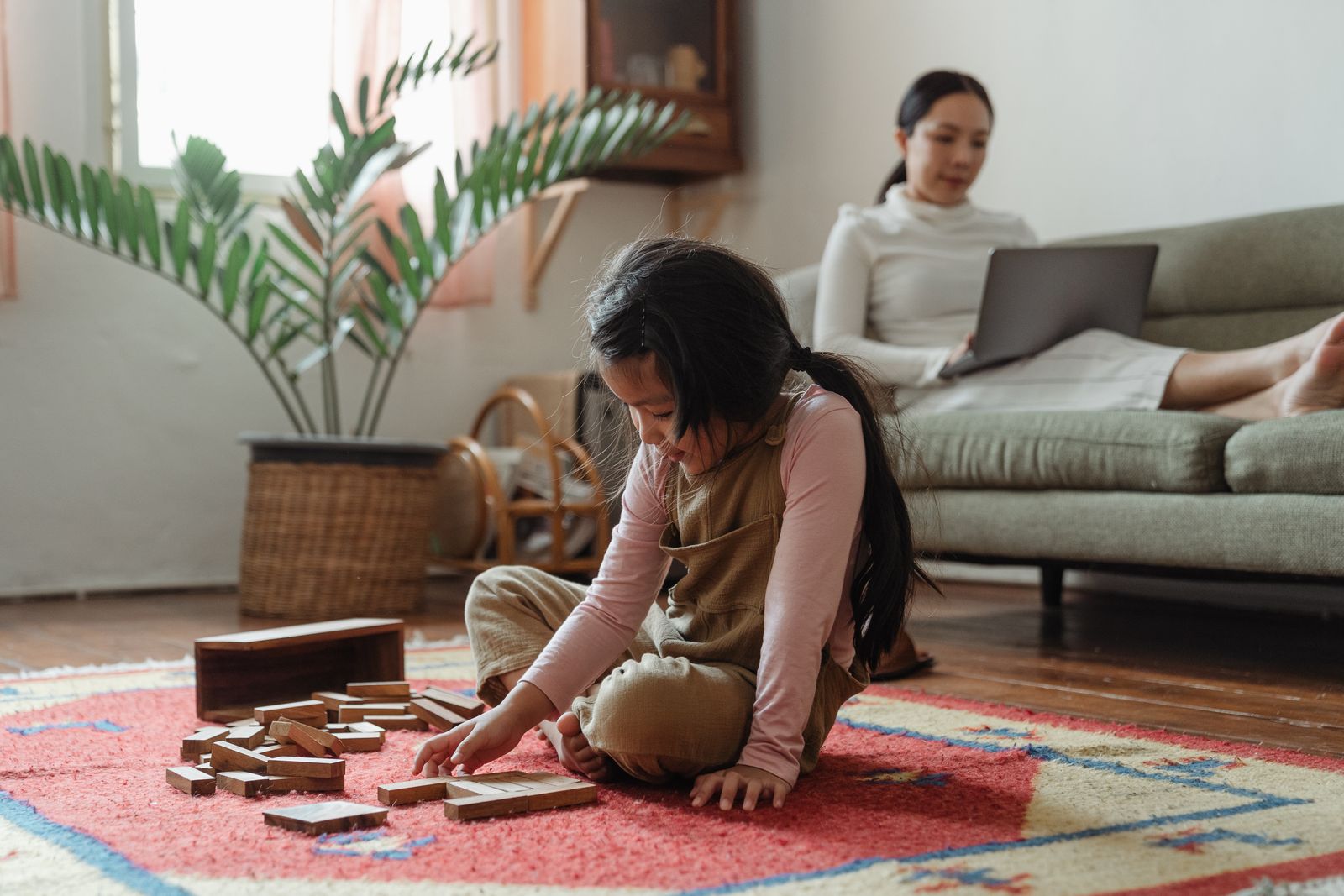
See it, try it, check it, and reset it.
The same four-step rhythm can be reused with organizing, pretend cleaning, preparation, and other practical activities.
See
Watch the task or look at the simple visual sequence before beginning.
Know what comes firstTry
Let the child complete one manageable part using the appropriate learning or role-play tool.
Practice the actionCheck
Pause to notice what is finished and what still needs attention without turning the moment into a test.
Look togetherReset
Return tools and materials to their place so the routine has a clear beginning and end.
Complete the cycleUse real family spaces to make routines easier to remember.
Children can connect practical skills to everyday life when learning tools are used where the routine naturally happens.
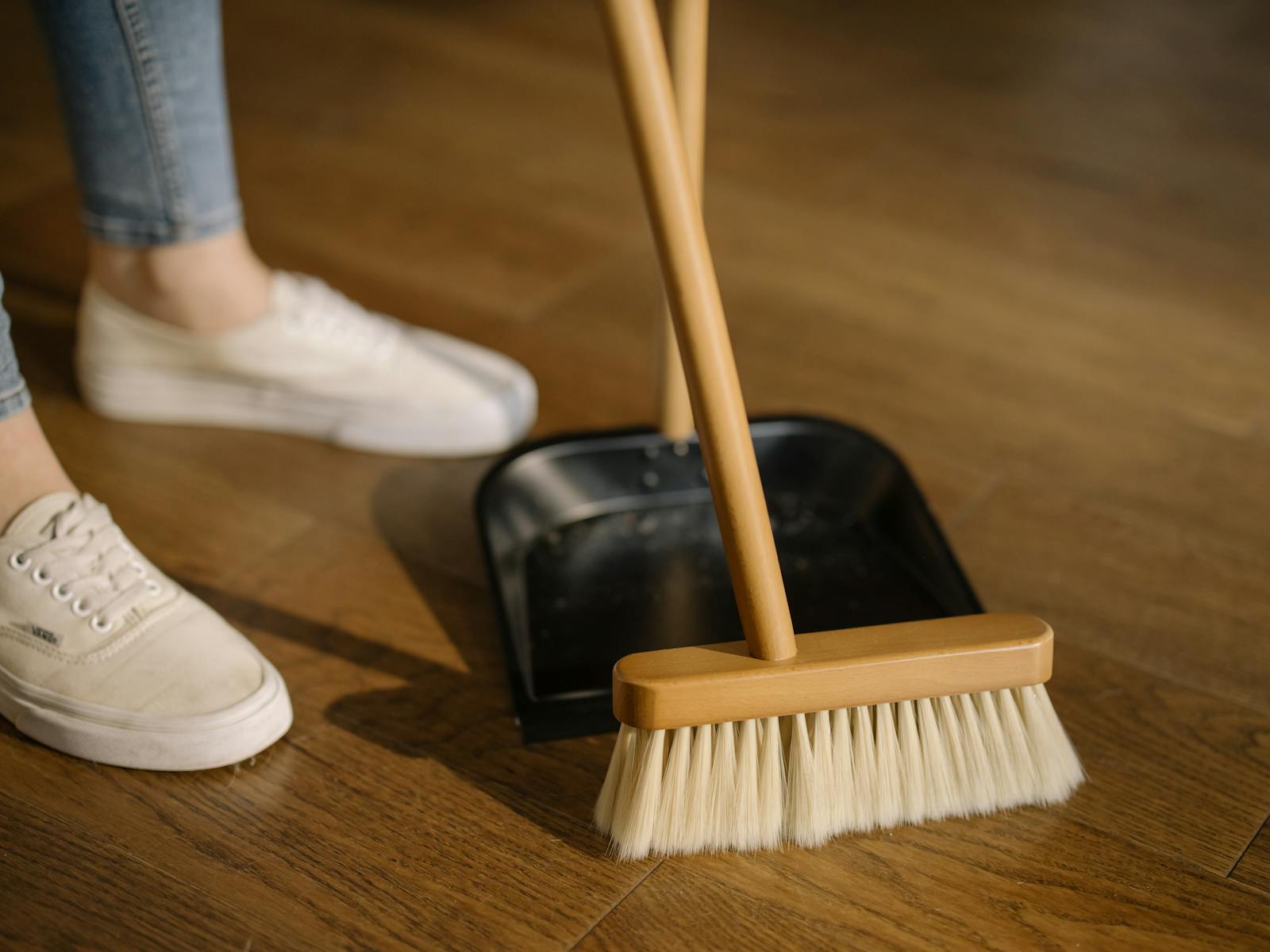
Give one item a clear home.
Pick a toy, learning material, or child-safe role-play tool and choose one consistent place where it belongs after use.
Use the same closing phrase.
A simple cue such as “check and put away” can help make the end of a routine easier to recognize and repeat.
Need help choosing a practical learning tool?
Tell us whether you are shopping for pretend cleaning tools, organizing activities, role-play products, routine-learning materials, or another hands-on life-skill product. We can help you explore Lumibud options by learning goal and family activity.