


Creative Thinking
Give ideas more room to grow.
Creative thinking begins when children have time to notice, imagine, test, rearrange, and explain. Lumibud brings together screen-free learning tools and family activities that encourage children to explore more than one possibility while staying connected to real, hands-on play.
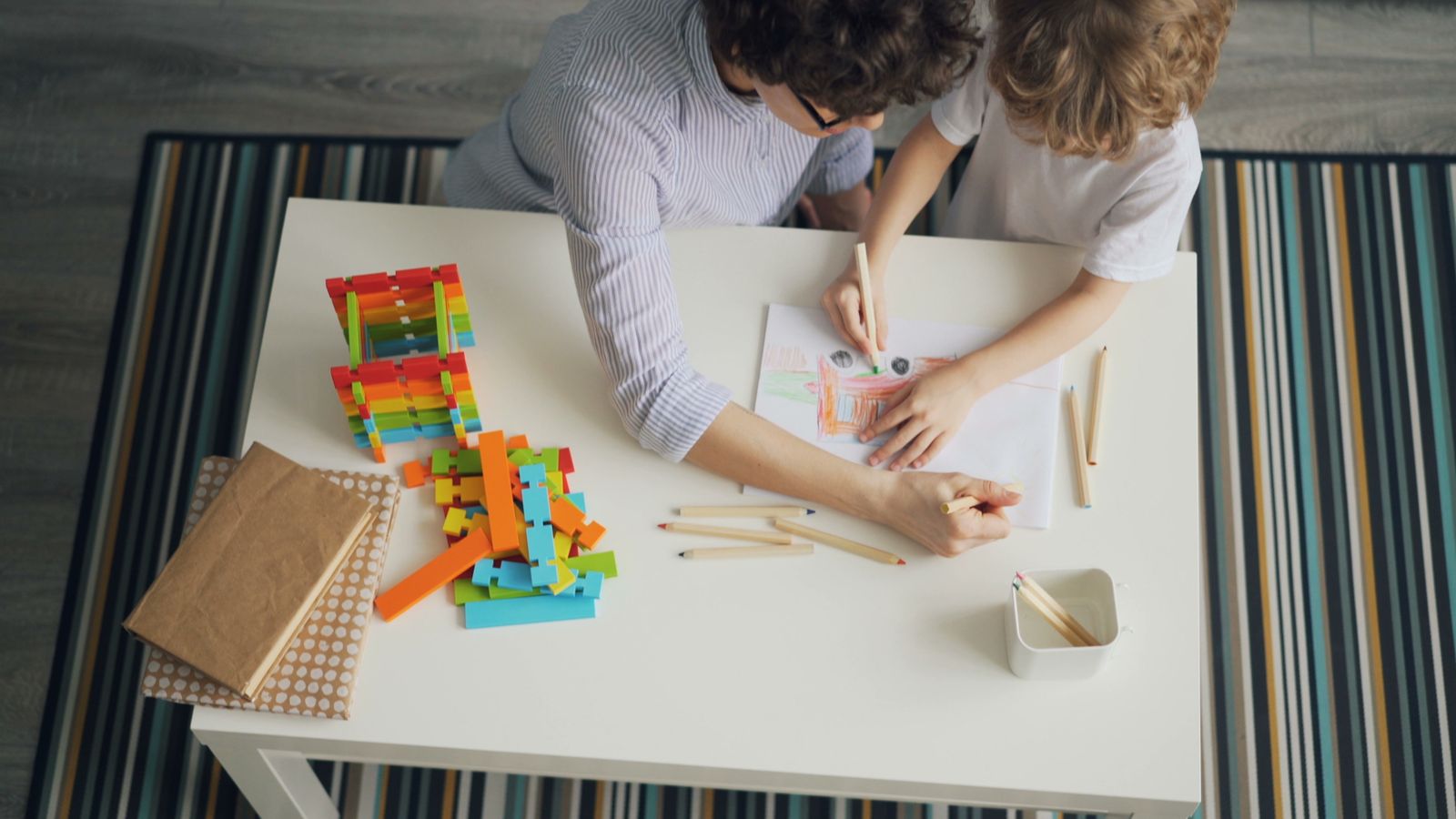
Build flexible thinking through simple, repeatable play.
Open-ended materials can support children as they make connections, try different approaches, and describe how they reached an idea.
Imagine Possibilities
Use prompts, picture cards, role-play pieces, and familiar objects to ask what could happen next.
Imagine • Describe • ExpandTry Another Way
Invite children to sort, build, solve, or arrange the same materials in a second way and compare the results.
Test • Change • CompareExplain the Idea
Ask children to talk through a choice, tell a short story, or show what they noticed during the activity.
Think • Share • ReflectCombine & Create
Mix drawing, cards, pretend play, matching, and everyday learning tools into one small family challenge.
Mix • Build • Create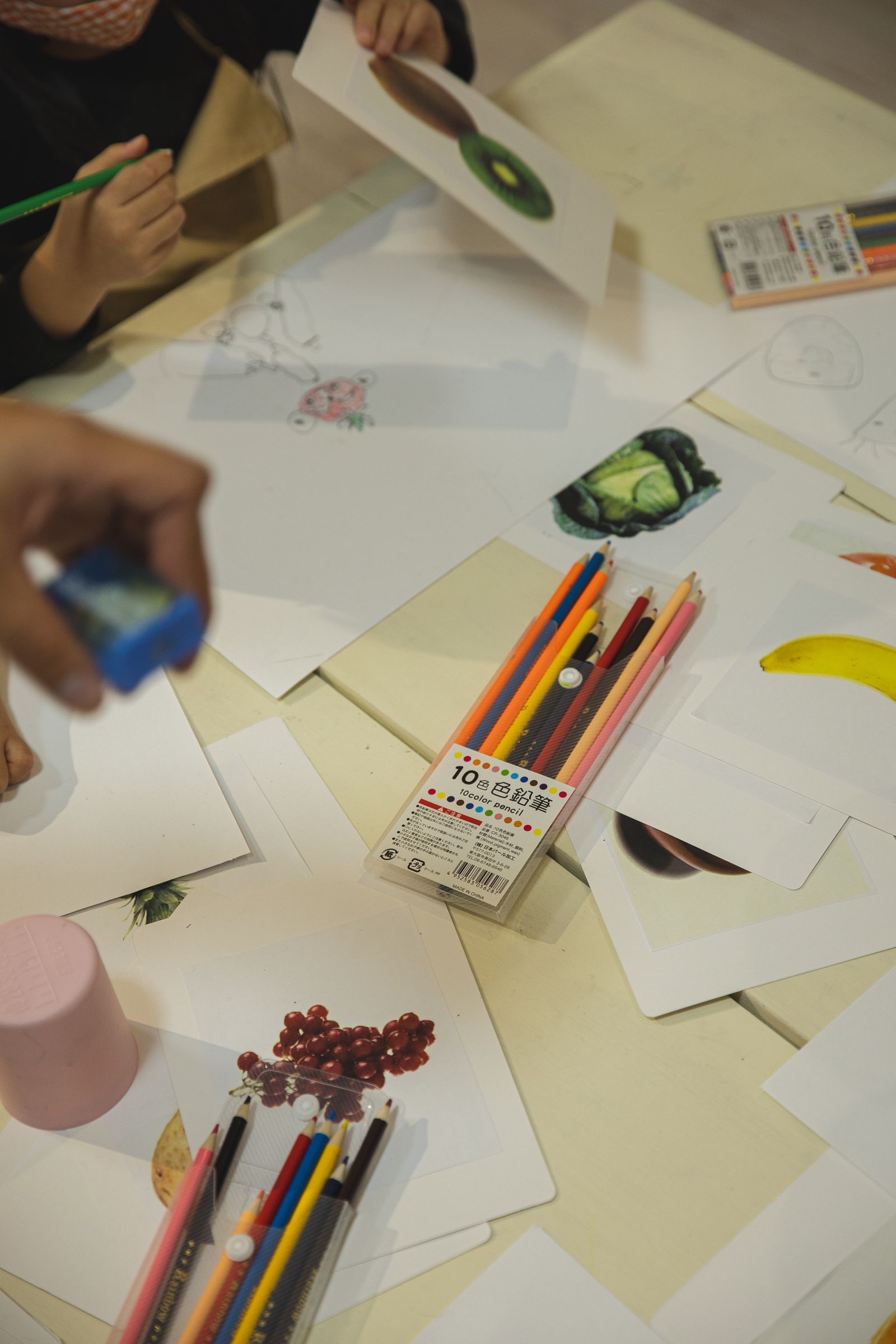
Ask questions that leave space for thinking.
A useful creative prompt does not need a single correct answer. It can help children notice details, imagine alternatives, and express why one idea feels different from another.
- 01 What else could this become? Turn an ordinary object, picture, or card into the start of a new idea or pretend scenario.
- 02 Can you solve it a different way? Encourage a second method, new order, different category, or unexpected combination.
- 03 What made you choose that? Invite children to explain what they noticed and how their thinking changed.
Three easy ways to practice flexible thinking.
These ideas work with learning cards, drawing tools, pretend-play sets, sorting pieces, and other screen-free materials already used in family learning routines.
Invent a New Category
Choose a small group of cards or objects and create a category that is different from the obvious one.
Ask why each item belongs.Finish the Story
Pick a picture, object, or role-play prop and build a short story by taking turns adding one idea at a time.
Let the direction change naturally.Design a Better Way
Choose a simple family routine and ask how it could be organized, remembered, or practiced differently.
Keep the solution practical and playful.Support the process without taking over.
Creative thinking grows through participation, experimentation, and conversation. Adults can help by making room for ideas while keeping the activity clear, calm, and connected to the child's own choices.
Offer fewer materials first. A focused set can make it easier to explore possibilities without feeling overwhelmed.
Ask before correcting. A surprising choice may reflect an idea worth hearing before offering another perspective.
Model curiosity. Try saying, “I wonder what would happen if...” instead of giving the next step.
Revisit favorite ideas. A familiar activity can feel new when the rules, materials, or question change slightly.
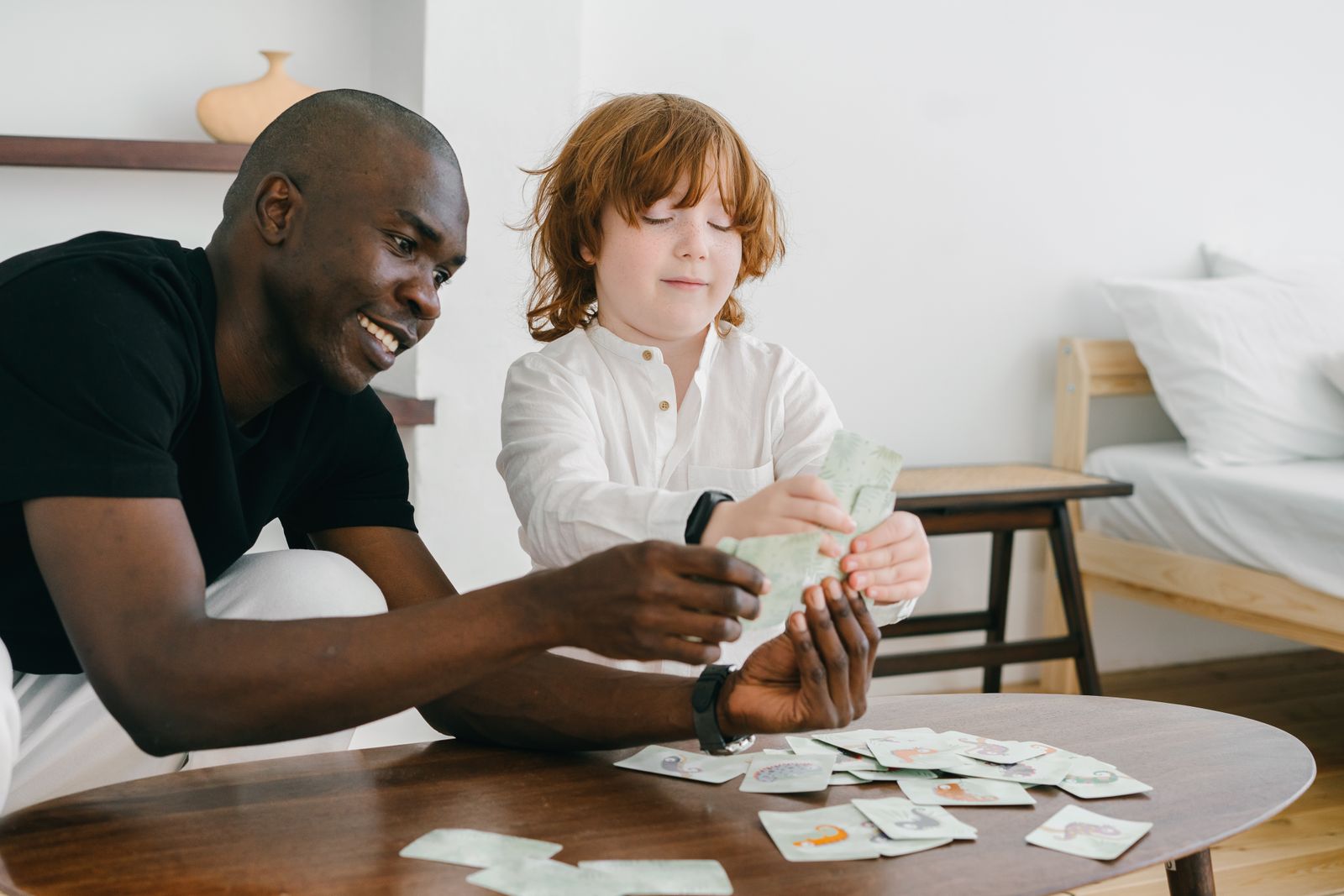
Notice, imagine, try, and talk about what changed.
The same four-part rhythm can be used with many Lumibud-style learning tools and family activities.
Notice
Look closely at the materials, pattern, picture, problem, or routine before deciding what to do.
Observe firstImagine
Think of more than one possible answer, arrangement, story, use, or next step.
Open possibilitiesTry
Choose one idea and test it with hands-on materials, drawing, sorting, role play, or conversation.
Make it visibleReflect
Talk about what worked, what changed, and what the child might try differently next time.
Learn from the attemptHands-on materials make thinking visible.
Drawing, building, sorting, and imaginative play can give children a simple way to show an idea before they are ready to explain every part of it in words.
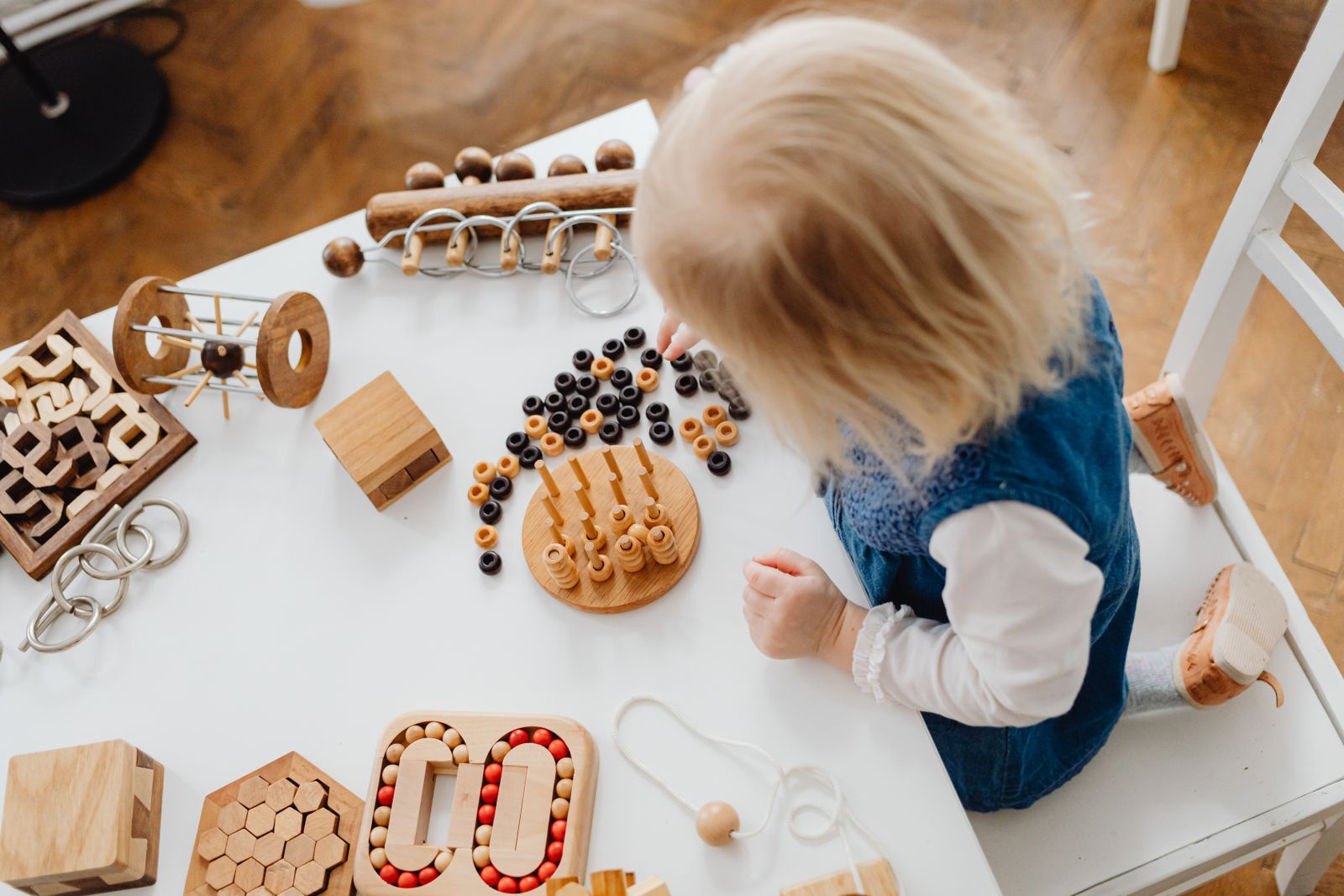
“What would you change if you tried it again?”
Use reflection to help children compare an earlier idea with a new one without framing the first attempt as a failure.
Keep the tone curious.One material, three ideas.
Choose one learning tool and think of three different ways to use it for sorting, storytelling, building, or role play.
Variation keeps familiar tools fresh.Looking for tools that support creative learning?
Tell us what kind of activity, age range, family routine, or learning goal you are shopping for. We can help you explore Lumibud products for screen-free play, communication, problem solving, early learning, and practical family activities.